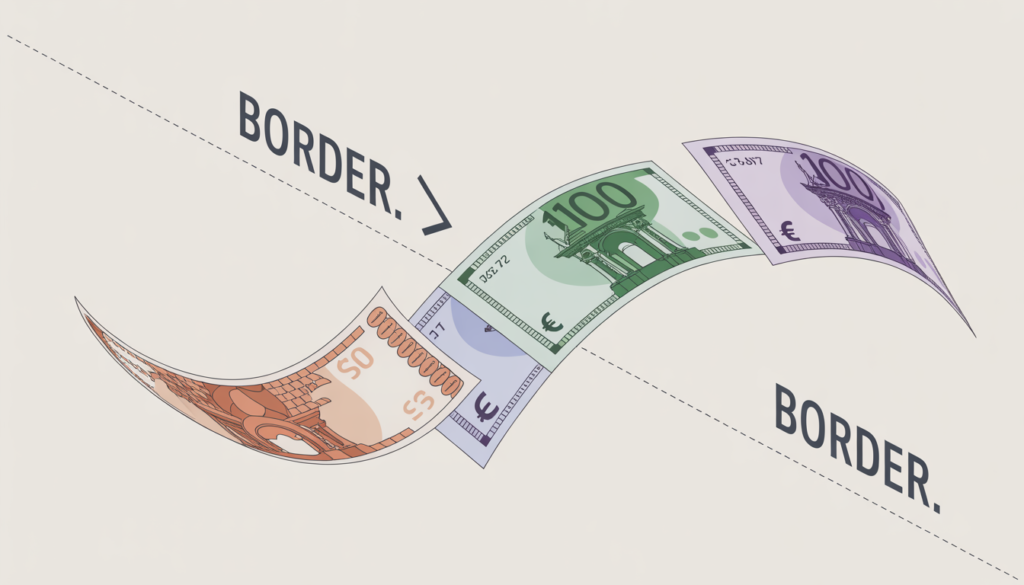
This report exposes 5 Credit Repair Hacks that will trigger heightened fraud alerts in 2026. I write as a Senior Financial Navigator and Macro-Economic Analyst. The goal is to bridge personal finance, private lending, credit architecture, and wealth management. Read with the intent to course correct, protect portfolios, and design resilient credit strategies.
I present clear risks, operational remedies, a named model for assessment, and tables comparing 2026 benchmarks. Expect a calm, direct tone and technical guidance suitable for institutions and sophisticated individuals. Follow the Executive Implementation Roadmap as a Pre-Flight Checklist before you act.
Section headers use two subsections each. Every section focuses on decision-ready intelligence. The analysis incorporates 2026 market context, including the current Fed stability and 6.37% mortgage averages. Keep this report in your immediate toolkit for credit and lending governance.
The Five Credit Repair Shortcuts
The shortcuts described
Practitioners and some firms rely on five recurring shortcuts to alter credit profiles quickly. They include manufactured tradelines, mass disputes with minimal substantiation, identity layering, synthetic account creation, and rapid deletion demands through aggressive lawyering. Each approach aims for short-term score improvement rather than durable credit health.
These methods rely on procedural blind spots in reporting, legacy manual review, and differential coordination across bureaus. They succeed only where verification thresholds remain low, or response workflows lack cross-platform velocity. Organizations that lean on these shortcuts expose borrowers and themselves to detection, fines, and reputational loss.
Operators should view these shortcuts as temporary masks. Regulators and technology providers now flag patterns rather than isolated items. That raises the probability of a corrective response in 2026 and beyond. Apply rigorous governance before you consider these tactics for clients.
The practical motives and incentives
Clients want quick score lifts for refinancing or deal closing. Brokers chase short-term revenue from success fees tied to fast results. Both parties rationalize shortcuts as pragmatic. That approach ignores systemic signals and the growing sophistication of detection engines.
Lenders and underwriters face rising charge-off and fraud costs. They now prioritize stable credit architecture over transient improvements. The market rewards transparent, verifiable remediation over rapid cosmetic changes. That dynamic shifts incentives away from hacks.
Institutions should realign compensation and compliance. Reward validated outcomes that match long-term credit performance. Use this change in market incentives to improve credit counseling and portfolio resilience. Remember the Pilot’s Rules for governance and escalation.
Why These Tactics Will Trigger a 2026 Fraud Alert
Pattern detection, not single incidents
Fraud systems now operate on sequence recognition and network analysis. They flag clusters of related anomalies across time, accounts, and devices. The five shortcuts generate distinct fingerprints: repeated disputed tradelines tied to one correspondent, similar device fingerprints, or coordinated deletions across bureaus.
Bureaus and fintech platforms exchange richer metadata. Transaction context, dispute velocity, and device telemetry combine. That multiplies detection chances. Small anomalies that once passed individually now aggregate into alerts.
Systems now prioritize these patterns ahead of manual review. Expect faster escalations and automated freezes where patterns meet threshold criteria. This reality increases the operational risk for those deploying shortcuts.
Regulatory and industry alignment
By 2026 regulators coordinate information sharing and enforcement strategies. Agencies promote cross-market standards for dispute handling, identity verification, and audit trails. Where shortcuts create false entries or remove valid obligations, regulatory triggers activate.
Industry associations incentivize best practices and punitive measures for repeat offenders. Firms that formerly benefited from weak enforcement lose leverage. The combination of standards, enforcement, and better data flows creates an environment where shortcuts will produce immediate and severe consequences.
Advisors must adjust strategies to match the new enforcement reality. Reputational risk now translates into financial cost quickly. Keep Pilot’s Rules visible in every client engagement and compliance review.
Fraud Detection Technology Shifts in 2026
Advances in machine learning and network graphing
Detection has moved beyond simple score thresholds. Machine learning models analyze relational graphs among accounts, addresses, phone numbers, and IPs. They reveal synthetic identity rings and orchestrated dispute campaigns. These models detect anomalies in timing, sequence, and narrative structure.
Improved natural language processing extracts intent from dispute descriptions. Systems detect reused language patterns and templated submissions at scale. That flags operations that route thousands of similar disputes per week.
The net result increases false negatives turned into true positives. Shortcuts that depend on volume and repetition now stand out. Adjustments to process controls and verification reduce the effectiveness of past hacks.
Cross-sector telemetry and real-time enforcement
Fraud ecosystems now consume data from lenders, payment processors, and identity verification services. Real-time telemetry enables instant risk scoring and automated holds. Suspicious activity triggers layered verification, litigation holds, or mandatory audits.
Whereas disputes once produced delayed scrutiny, they now initiate immediate cross-checks. This real-time posture reduces the time window for manipulation. It raises the operational cost of hiding activity.
Lenders and advisors must update playbooks. Expect automated flags and expedited regulatory notifications. Plan for faster investigation cycles and rigorous record-keeping.
| Table: 2026 Detection Benchmarks | Metric | Traditional Baseline (2022) | 2026 Average |
|---|---|---|---|
| Fraud detection latency | 72 hours | 6 hours | |
| False positive rate | 6% | 3.5% | |
| Synthetic identity detection accuracy | 68% | 89% | |
| Dispute automation throughput | 500/day | 6,000/day |
Regulatory Risks and Enforcement Trends
Enforcement landscape and penalties
Regulators now view deliberate misstatements in credit files as both consumer harm and market manipulation. Agencies coordinate to pursue civil penalties, restitution, and referral for criminal prosecution where appropriate. Large fines and disgorgement apply to firms that facilitate fraudulent outcomes.
Rules require robust audit trails for disputes, identity checks, and substantiation. Failure to comply exposes firms to administrative actions and restrictions on business activities. The enforcement environment emphasizes accountability at senior management levels.
Legal risk increases for intermediaries that package or sell aggressive repair services. Counsel and compliance must integrate enhanced monitoring and layered oversight.
Compliance expectations and auditability
Regulatory frameworks emphasize traceability. Firms must record dispute narratives, identity verification steps, device metadata, and reviewer actions. Auditors expect end-to-end chain of custody for remediation steps.
Compliance programs now require independent sampling, technology risk assessments, and vendor controls. Third-party providers for credit repair or identity services require rigorous due diligence. That increases costs but lowers systemic risk.
Implement governance frameworks that treat credit repair as a controlled process. Align remediation activities with consumer protection statutes and evolving bureau rules. Maintain capacity for rapid audits.
| Table: Industry Enforcement Benchmarks 2026 | Category | Typical Penalty 2020s | 2026 Typical Action |
|---|---|---|---|
| Misleading credit practices | $50k-$500k | $1M+ fines, injunctions | |
| Failure to maintain audit logs | Warning | Formal audits and consent orders | |
| Repeat offender status | Reputation hit | License restrictions or criminal referral | |
| Third-party vendor failure | Limited scrutiny | Mandatory vendor remediation plans |
Operational Risks for Lenders and Brokers
Underwriting disruptions and portfolio impact
Shortcuts create instability in credit file accuracy. Lenders relying on inflated scores underwrite higher-risk loans. That increases loss rates and provisioning needs. In 2026, stress testing incorporates higher fraud shock scenarios.
Underwriters must examine not only score changes but origination narratives and dispute histories. Rapid score improvements tied to mass deletions signal elevated default risk. Institutions should integrate detection outputs into credit policy exceptions.
If ignored, shortcut-driven originations will reduce portfolio quality. That harms capital adequacy and investor confidence.
Reputational, counterparty, and liquidity strain
Brokers that rely on aggressive repair methods put counterparties at risk. Investors, warehouse lenders, and insurers demand transparency. Discovery of manipulative practices triggers counterparty restrictions and margin calls.
Reputational damage accelerates liquidity withdrawal. Markets price in heightened uncertainty. Firms suffer higher funding costs and tighter covenants.
Ensure governance around third-party brokers and repair providers. Apply performance metrics tied to long-term credit behavior, not short-term score lifts. Follow Pilot’s Rules for counterparty approval.
Remediation and Legitimate Credit Architecture
Principles of durable credit repair
Durable repair focuses on documentation, negotiation, and correcting genuine errors. It prioritizes dispute substantiation, debt validation, and remediation plans aligned with consumer behavior changes. This approach improves credit performance sustainably.
Advisors should document negotiations and corrective agreements in writing. Use validated settlements and structured payoff plans. Secure verifiable updates to reporting entities and retain evidence.
Clients benefit from improved access to credit and reduced volatility. The market rewards transparency and documented outcomes.
Designing systems for auditability and consumer protection
Build systems that capture every interaction, verification step, and reviewer rationale. Standardize templates for disputes that include unique context and evidence. Integrate identity verification and device telemetry in workflows.
Adopt service-level agreements with bureaus and vendors to ensure timely updates. Provide consumers with clear remediation timelines and dispute evidence copies. That reduces rework and legal exposure.
Invest in training and ethical frameworks. Treat remediation as a risk management function with measurable outcomes. Use the Pilot Credit Integrity Model to score process maturity.
Executive Implementation Roadmap and the Pre-Flight Checklist
The Pilot Credit Integrity Model (PCIM)
I propose the Pilot Credit Integrity Model, PCIM. It assesses five dimensions: Data Fidelity, Verification Rigor, Chain of Custody, Dispute Narrative Quality, and Post-Remediation Monitoring. Each dimension rates 1 to 5, producing a composite score.
PCIM output drives remediation decisions, vendor selection, and escalation. Use it to qualify cases for expedited action or conservative treatment. The model emphasizes documentation over speed.
Adopt PCIM across advisory and lending workflows to standardize risk-take. Report PCIM scores to senior management and auditors monthly. That ensures consistent governance and measurable improvement.
Executive Implementation Roadmap: Pre-Flight Checklist
Follow this five-point roadmap before executing any repair program.
- Document all dispute evidence and maintain immutable logs.
- Apply PCIM scoring to each case and set thresholds for action.
- Require multi-factor identity verification with device telemetry.
- Enforce vendor SLAs and audit rights for credit service partners.
- Publish remediation reports to compliance and legal within 72 hours.
This checklist reduces legal and operational exposure. It focuses resources on verifiable, sustainable outcomes. Treat the roadmap as a control gate for any rapid-repair activity.
Include this 5-point checklist in client contracts and internal SOPs. Make adherence a condition for performance fees. Emphasize Pilot’s Rules during onboarding and training.
2026 Long-Term Projections and Strategic Model
Market projections for credit quality and fraud trends
Expect elevated fraud detection rates and faster enforcement in 2026. Detection improvements will lower undetected synthetic identity fraud by a projected 40% versus 2023 levels. Lenders will tighten credit overlays, reducing unsecured originations modestly.
Mortgage pricing, reflected in 6.37% averages, will influence refinancing demand and credit-seeking behavior. Short-term demand for score improvement increases, making temptation for shortcuts stronger. Yet the detection environment will limit success.
Strategically, institutions that invest in transparent remediation and robust identity verification will outperform peers. They will see lower charge-offs and steadier access to capital.
Strategic model and scenario planning
Use PCIM outputs in scenario planning for three cases: Baseline regulatory calibration, Tight enforcement shock, and Technology leap. Each scenario should modify underwriting thresholds, provision buffers, and vendor exposure limits.
Model capital adequacy under each scenario. Stress test portfolios for a 10% increase in default probabilities where shortcut-inflated scores exist. Adjust liquidity buffers and covenant language accordingly.
| Table: Scenario Financial Parameters 12-Month Outlook | Scenario | Default Shock | Provision Increase | Funding Spread Change |
|---|---|---|---|---|
| Baseline | 0-2% | +10bps | +5bps | |
| Tight Enforcement | 5-10% | +40bps | +25bps | |
| Technology Leap (better detection) | 2-6% | +25bps | +15bps |
Deploy PCIM-led governance to navigate these scenarios. Focus on sustainable origination and verified remediation. That will protect capital and reputation in 2026.
FAQ
Common and complex operational questions (Q1–Q3)
Q1: How should a mid-size lender recalibrate underwriting models after discovering clients used rapid deletion tactics?
Answer: Recalibrate using layered signals beyond scores. Integrate dispute history, PCIM scores, device telemetry, and identity verification outcomes. Re-run credit models with a default shock of 5% to 10% for affected cohorts. Increase reserves and tighten automated approvals until remediation validates stable behavior. Communicate with warehouse lenders and investors to explain controls. Implement periodic re-scoring and monitor cure rates over 12 months. Document changes for auditors and regulators to demonstrate proactive governance.
Q2: What immediate steps can advisors take when a client’s score spikes by 50 points due to mass disputes?
Answer: Treat the spike as a red flag. Pause any transactions dependent on the score until verification completes. Use PCIM to evaluate dispute substantiation and collect original documentation. Notify counterparties and lenders transparently if a transaction depends on the lift. Apply conservative stress testing to pricing and collateral. If remediation proves legitimate, document the pathway and maintain evidence. If not, plan for alternative funding or renegotiation. Preserve audit trails for any dispute resolutions.
Q3: How should third-party vendors be contracted to reduce regulatory and operational risk?
Answer: Require SLAs, audit rights, and indemnities in contracts. Mandate PCIM scoring for each case the vendor touches. Include data retention and immutable logging clauses. Require multi-factor identity verification and explicit chain-of-custody protocols. Set financial penalties for late reporting and false attestations. Perform on-site or virtual audits quarterly. Make vendor performance and compliance a threshold for continued use. Keep alternative providers available to avoid single-vendor concentration.
Scenario-driven policy and governance questions (Q4–Q5)
Q4: In a Tight Enforcement scenario, how should capital planners adjust reserve and liquidity targets?
Answer: Increase provisioning buffers by +40bps or more based on portfolio sensitivity. Reassess loss given default and apply a conservative uplift to LGD for recently repaired accounts. Reduce reliance on short-term funding with reputational risk, and increase committed lines by 10% to 20% to absorb stress. Review covenants with counterparties and seek more flexible terms. Maintain transparency with regulators and auditors. Use PCIM to triage exposures for prioritized provisioning and capital allocation.
Q5: How will investor sentiment change for lenders heavily reliant on rapid repair pipelines, and what remediation reduces that risk?
Answer: Investor sentiment will deteriorate quickly when repair pipelines correlate with higher defaults. Transparency and demonstrable remediation reduce risk. Publish PCIM metrics, remediation outcomes, and post-remediation performance. Replace success-fee models with outcome-based contracts that reward durable performance. Strengthen governance, vendor oversight, and auditability. Over time, these steps restore investor confidence and lower funding spreads. Demonstrated improvement in vintage performance will be the key to normalizing investor relations.
Conclusion: Exposed: The 5 Credit Repair ‘Hacks’ That Will Trigger a 2026 Fraud Alert
Strategic takeaways
Shortcuts that prioritized speed over substantiation now face robust detection and stronger enforcement. The market environment rewards documented remediation and penalizes manipulative behavior. Use the Pilot Credit Integrity Model to standardize decision-making and reduce subjective approvals.
Ensure every dispute and remediation step creates an auditable trail. Align compensation models and vendor contracts to prioritize long-term credit performance. Apply scenario planning with PCIM outputs to protect capital and service quality.
Finally, ensure senior management owns remediation governance. Regularly brief boards and investors on PCIM scores and remediation outcomes. That protects liquidity and reputation.
Sector Outlook: 12-month prediction
Expect continued refinement in detection tools and closer regulator-industry coordination. Fraud detection latency will remain low and enforcement actions will increase in frequency and scale. Lenders that adopt verifiable remediation and strong identity controls will see better funding terms and less volatility.
Mortgage markets will reflect 6.37% averages and moderated refinance flows. Credit products tied to short-term score manipulation will decline as detection increases. Investors will favor transparent originations with verified performance records. Prepare for incremental tightening in covenants and higher audit demands.
This report equips decision-makers to identify risky credit repair practices and replace them with robust, auditable processes. Use the PCIM and Pre-Flight Checklist to navigate 2026 with operational resilience and strategic clarity.
Meta description: Exposes five credit repair hacks triggering 2026 fraud alerts, with remediation, PCIM model, and implementation roadmap for lenders and advisors.
SEO tags: credit repair, fraud alert 2026, credit risk, PCIM, remediation roadmap, mortgage 2026, regulatory compliance
Primary Keyword: credit repair hacks 2026