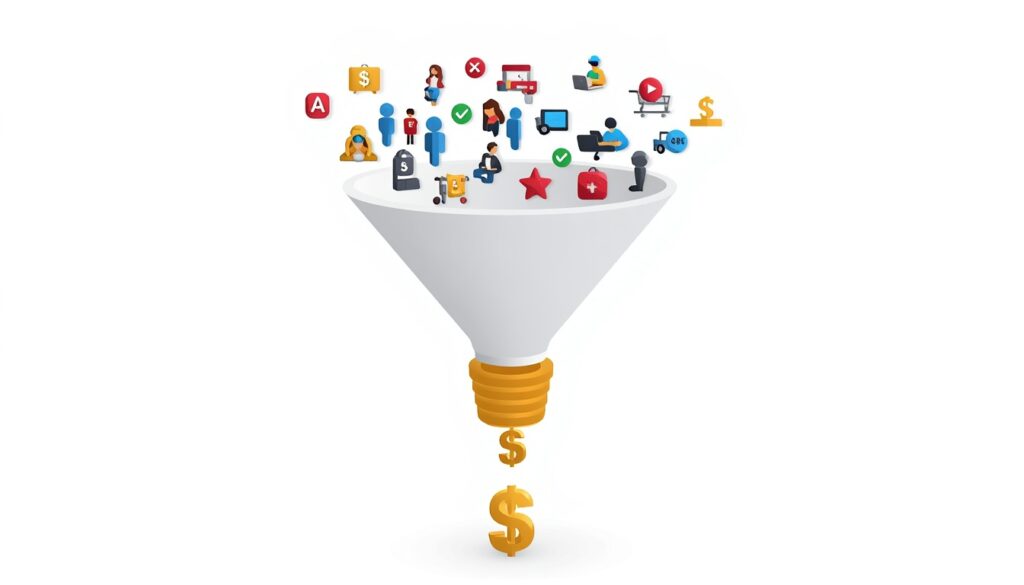
This report provides a disciplined, actionable guide for 1099 side-hustlers navigating taxes and long-term wealth in 2026. It targets independent income earners who plan to steward cash flow, optimize debt, and build credit and retirement infrastructure. I write as a senior financial navigator, combining macro-economic perspective with practical tax strategy. Expect concise frameworks, one original model, a practical table, and a five-point implementation roadmap.
The narrative assumes stable Federal policy trends and current market conditions, including 6.37% mortgage averages. I reference compliance priorities, audit readiness, and scalable structures for multi-stream income. Read as an operational manual, with direct steps for filing, recordkeeping, and credit architecture. The guidance blends household wealth, private lending options, and long-term asset allocation.
Pilots value checklists, clarity, and predictable outcomes. This guide adopts "Pilot to Passenger" communication: calm, authoritative, and direct. You will receive a strategic framework, named model, and precise action steps you can start implementing this tax year. Expect clear definitions of tradeoffs and an emphasis on resilience in uncertain markets.
Multi-Stream Tax Protocol: 2026 Essentials for 1099
Defining the Multi-Stream Tax Protocol
The Multi-Stream Tax Protocol organizes diverse 1099 income into defined channels for tax efficiency, cash management, and legal protection. It separates work income, passive payments, platform fees, and lending returns into distinct accounting streams. This segmentation supports precise estimated tax payments and simplifies prioritization of deductions. The protocol promotes routine reallocation of receipts into tax, operating, and investment buckets. These buckets reduce surprise tax liabilities at year-end.
The Protocol emphasizes consistent classification standards across platforms. It recommends uniform naming conventions, chart of accounts segmentation, and periodic reconciliations. These measures improve clarity when completing Schedule C, Schedule E, or other forms. The system also clarifies which receipts qualify for self-employment tax, which are eligible for qualified business income deduction, and which belong to investment schedules.
Finally, the Protocol ties to audit readiness. By design, it produces clear trails and source-documents for each stream. It encourages contemporaneous documentation for large receipts and for nonstandard transactions. The approach saves time with professional preparers and reduces stress in compliance reviews. Establish the Protocol early and maintain it with monthly discipline.
Core Tax and Cash Principles
Start with three core principles: segregate tax obligations, maximize allowable deductions, and protect credit and liquidity. Segregation creates a predictable tax reserve. Maximizing deductions means understanding which expenses are ordinary and necessary for each stream. Protecting credit means aligning payment behavior with personal and business credit strategies.
Treat estimated taxes as operational costs, not residuals. Use a conservative withholding target, often 25%–30% of net self-employment receipts, depending on deductions and state taxes. This approach reduces underpayment penalties. For those who also have W-2 income, coordinate withholding to offset quarterly payments. Document these decisions to support later adjustments.
Finally, maintain a minimum liquidity cushion equal to three months of operating expenses for each main stream. Keep separate bank accounts for tax collections, operating funds, and reserve capital. This simple discipline preserves runway and supports tactical opportunities like private lending or asset acquisitions.
Structuring Income Streams, Deductions, and Compliance
Categorizing Income and Matching Deductions
Start by mapping each income source to a category that determines tax treatment. Use categories such as Active Services, Digital Sales, Rental or Licensing, and Lending Returns. For each category, list typical deductible expenses. Active Services often allow home office, travel, and software costs. Digital Sales may allow production and platform fees. Rental or Licensing income can leverage depreciation schedules.
Match expenses to the stream at invoice time. Avoid pooling miscellaneous expenses across unrelated activities. That practice complicates cost allocation and increases audit risk. Use a bookkeeping tag for each stream so you can produce segmented profit and loss statements for quarterly reviews. These statements help determine estimated tax adjustments and retirement contributions.
Review category-specific rules quarterly. For example, short-term lending may trigger interest income rules distinct from business receipts. Licensing arrangements could produce royalty classifications. Accurate categorization informs whether you report on Schedule C, Schedule E, or as capital gains. This step affects self-employment tax and access to the Qualified Business Income deduction.
Compliance Priorities and State-Level Considerations
Compliance demands attention to federal and state filing rules. States vary on nexus, withholding, and sales tax for digital services. If you perform services in multiple states, track the location of activity and clients. Some remote platforms create withholding obligations at the payer level. Confirm whether platforms issue 1099-NEC, 1099-K, or both, and reconcile those forms against your records.
Maintain a compliance calendar that includes estimated payment deadlines, state filing dates, and local business license renewals. Missing a deadline can trigger interest, penalties, and sometimes loss of penalty-free relief options. Use automated reminders and integrate calendar items into your bookkeeping platform. Keep copies of state registration, sales tax filings, and exemption certificates in an accessible folder.
Consider the interaction of employment classification and independent contractor status. Misclassification risk can expose you and your clients to back taxes. If you engage in consistent long-term work for a single client, document the relationship and maintain independent contractor safeguards. Clear contracts, IP assignments, and invoice terms reduce ambiguity.
Entity Choices and Credit Architecture
When to Use an Entity: LLCs, S-Corps, and Single-Member Options
Choosing an entity balances liability protection, tax efficiency, and administrative cost. A single-member LLC gives limited liability without substantial tax complexity. Electing S corporation status can reduce self-employment tax by splitting owner compensation and distributions. However, S election introduces payroll requirements and increased administrative burden.
Evaluate entity choice with cash flow and revenue thresholds in mind. For many side-hustlers, S election becomes meaningful when net self-employment income exceeds a threshold where payroll taxes on reasonable compensation plus distribution tax savings exceed entity costs. Run a three-year projection before electing S status. Ensure you maintain documented compensation and payroll compliance to avoid scrutiny.
Document expected benefits and costs annually. Consider state-level franchise taxes or additional filings that affect the net advantage. If you plan private lending or hold rental assets, create separate entities for liability segregation. Avoid using a single entity to aggregate disparate high-risk activities without proper insurance and capitalization.
Building Credit Architecture and Access to Private Capital
Design credit architecture to support both personal and business growth. Separate business credit lines and cards, and use them consistently for eligible expenses. On-time payments build credit history and support increased limits. Consider a business credit profile with Dun & Bradstreet where relevant to scale private lending or vendor terms.
For private lending and liquidity, cultivate relationships with community banks and credit unions. These institutions often provide flexible term loans and lines of credit for small business borrowers. Maintain clear financial statements for each income stream to present to lenders. Strong cash flow documentation reduces perceived risk and improves loan terms.
Use credit to optimize tax outcomes prudently. For example, use a low-rate line of credit to front seasonal expenses while reserving cash for tax reserves. Avoid mixing personal and business liabilities in ways that jeopardize home equity or primary credit lines. Keep clear records to support interest deductions where applicable.
Expense Tracking, Technology, and Recordkeeping
Best Practices for Bookkeeping and Digital Tools
Adopt a bookkeeping system that enforces stream-level tagging and automated bank reconciliation. Modern platforms offer rules that categorize recurring transactions. Set rules to route income and expenses to designated streams automatically. This automation cuts manual errors and improves reporting consistency.
Maintain digital copies of receipts with timestamps and context notes. Mobile scanning tied to your accounting software preserves source documentation. Record the business purpose in the memo field to show the expense meets the ordinary and necessary standard. Perform a monthly reconciliation between bank accounts, platform payouts, and recorded income streams.
Keep a single master ledger and use sub-accounts for each stream to generate profit and loss statements quickly. Regularly export data for tax preparers and lenders. Establish naming conventions and avoid ad hoc account creation to maintain clean records and efficient audits.
Tools, Security, and Data Retention Policies
Select tools that integrate with payroll, payments, and tax filing services. Prioritize platforms that support multi-entity management if you operate various entities. Ensure software provides role-based access for preparers and advisors. Keep credentials current and enable two-factor authentication for all financial apps.
Implement a data retention policy that preserves tax documents for seven years, as practical audit windows extend beyond three years for significant items. Store documentation in encrypted cloud storage and keep offline backups quarterly. For transactions above $10,000, maintain additional documentation that demonstrates business purpose, clients, and contractual terms.
Conduct an annual security review to confirm integrations and APIs maintain necessary encryption standards. A breach can produce identity theft or tax fraud exposure, which can complicate both compliance and personal credit standing.
Cash Flow, Debt Optimization, and Private Lending Strategies
Managing Cash Flow Across Multiple Streams
Establish cash flow rules that protect tax reserves and operational liquidity. Direct a fixed percentage of each receipt into a tax reserve account immediately. For many side-hustlers, 25% of net receipts provides a conservative starting point. Adjust this percentage based on real-time margins and changing tax projections.
Allocate receipts to operating accounts and a growth account for reinvestment. For recurring expenses, set up automated transfers to smooth volatility. Use rolling 90-day cash flow forecasts by stream to anticipate shortfalls and funding opportunities. Update forecasts after each month to preserve runway.
Prioritize high-margin streams when capital is limited. Identify the marginal return on investment for paid acquisition or equipment purchases. Reinvest in streams that demonstrate reliable growth and predictable margins, while pausing investments in volatile or low-margin activities.
Debt Optimization and Private Lending Considerations
Optimize debt by matching loan terms to asset life. Use short-term lines of credit for working capital and longer-term amortized loans for equipment or real estate. Refinance where interest savings exceed closing costs. With current Fed stability, assess whether fixed-rate loans at 6%–8% remain attractive relative to adjustable options for longer horizons.
Private lending can boost returns but increases complexity. When you originate loans privately, document terms, underwriting criteria, and servicing procedures. Keep these activities separate within your accounting streams. Establish reserves for credit losses and verify compliance with applicable lending laws.
If you plan to act as a private lender to others, ensure you have written promissory notes, clear repayment schedules, and legal counsel review. Maintain interest income reporting and calculate any applicable backup withholding obligations. Use private lending to diversify returns, but do not allow it to deplete tax or operating reserves.
Audit Readiness and Regulatory Risks
Preparing for IRS and State Audits
Prepare for audits by maintaining organized, contemporaneous records and an audit packet for each income stream. An audit packet includes the ledger, bank statements, invoices, contracts, and proof of payment. For significant transactions, include client confirmations and delivery proofs. Present your documentation logically and chronologically.
Engage a tax professional early if you anticipate an audit. A preparer can help limit exposure and negotiate with revenue agents. If you receive an audit notice, respond within the stated timeline and avoid unnecessary delays. Prompt responses demonstrate cooperation and reduce escalation risk.
Plan audit simulations annually. Walk through probable questions and rehearse explanations for large deductions or unusual transactions. These rehearsals reduce stress and uncover documentation gaps that you can fix proactively.
Regulatory Risks and 2026 Adjustments
Monitor regulatory developments that affect 1099 reporting and platform obligations. Recent trends show greater scrutiny on third-party settlement reporting thresholds and on platform classification responsibilities. Expect continued state experimentation with taxation of digital services and data-driven nexus rules.
Prepare for rule changes by maintaining flexible bookkeeping that can reclassify receipts if definitions shift. Maintain contingency allocations for increased compliance costs and potential retroactive liabilities. Review contracts for indemnities related to tax reporting and confirm what platform-level reporting the payer will handle.
Regulators may increase focus on misclassification and income-shifting arrangements. Limit aggressive tax positions without robust documentation and legal support. Keep legal counsel engaged for novel income types and for private lending structures that approach state lending thresholds.
Bold compliance actions today reduce future costs. Follow these Pilot’s Rules: document contemporaneously, segregate activity, and consult counsel for borderline structures.
The EPMA Model: EconomyPilot Multi-Stream Allocation Model
Introducing the EPMA Model
I introduce the EconomyPilot Multi-Stream Allocation Model, or EPMA Model. The model assigns receipts to tax, operating, reserve, and investment buckets by stream. It uses weighted percentages informed by margin, volatility, and tax rate. The EPMA Model provides a repeatable algorithm for cash allocation and estimated tax planning.
Implement EPMA with monthly inputs: gross receipts by stream, direct costs, routine operating expenses, and projected tax rates. The model then outputs recommended allocations for tax reserves, short-term operations, medium-term reserves, and long-term investment. You can tune weights according to risk tolerance and business stage.
The EPMA Model also integrates retirement and credit considerations. It recommends retirement contributions based on net income after tax reserves and operating needs. For lending activity, the model increases reserve allocations to cover potential credit losses. Use EPMA as a governance tool for capital allocation across streams.
EPMA Application and Scenario Analysis
Apply EPMA to scenario planning. For example, model a 30% increase in gig-platform revenue and measure the cash allocation impacts. Use the outputs to decide whether to reinvest in marketing, repay debt, or expand private lending. EPMA provides clarity on how marginal revenue affects tax obligations and liquidity.
Run quarterly sensitivity checks with EPMA, especially when market conditions change. Update assumed tax rates, including any state changes. EPMA supports decisions like electing S corporation status by modeling payroll costs versus distribution savings. It identifies the breakpoint where an S election becomes beneficial.
Finally, document EPMA assumptions and version history. If you change key weightings or add a new stream, record why and when. This practice strengthens governance and aids discussions with advisors, lenders, or potential partners.
Tax Filing Strategies, Estimated Payments, and Retirement Vehicles
Efficient Estimated Payment Management
Manage estimated taxes using stream-level projections. Calculate quarterly payments based on aggregated net income after priority deductions and tax credits. Use the safe harbor rule where appropriate: pay 90% of the current year tax or 100% of the prior year tax, depending on income and residency. For higher earners, consider the higher safe harbor percentage for stability.
Coordinate estimated payments with any W-2 withholding to minimize total cash outflow and avoid underpayment penalties. Use an escrow-style tax account and schedule automatic transfers to coincide with quarterly deadlines. Recompute estimates after any material revenue change to avoid surprises.
Record each payment meticulously and reconcile them against Form 1040 payments. Retain proof of payment in case of discrepancies. When in doubt, err on the side of conservative payment to avoid interest and penalties.
Retirement Vehicles and Long-Term Wealth Integration
Maximize retirement vehicles available to independent earners. Solo 401(k) plans and SEP-IRAs allow both employee and employer contributions, increasing retirement savings and reducing taxable income. For high-earning side-hustlers, a Solo 401(k) can permit larger pre-tax contributions while supporting Roth options for tax diversification.
Align retirement contributions with EPMA outputs. Contribute from the investment bucket when operating reserves meet minimum targets. Use retirement plans as a tax and wealth-building tool, rather than an afterthought. For lending activities, maintain retirement separations; do not favor private loans at the expense of retirement funding.
Consider after-tax wealth strategies only after meeting retirement and emergency reserve goals. Use brokerage accounts, real estate ownership, or private notes to diversify. Maintain a disciplined allocation to protect long-term wealth from short-term platform disruptions.
Implementation Roadmap and Table Protocol
Executive Implementation Roadmap
Executive Implementation Roadmap:
- Establish multi-stream chart of accounts and automate tagging in your bookkeeping system.
- Create dedicated bank accounts for tax reserves, operations, and investments.
- Run the EPMA Model monthly and adjust allocations per stream.
- Implement entity and credit structures aligned with projected revenue and risk.
- Schedule annual audit simulations and maintain a seven-year documentation policy.
Begin with tasks one and two in the first 30 days. Automate recurring transfers to tax and reserve accounts immediately. Implement EPMA in month two and update entity choices by month three if projections support structural change. Consult a tax attorney for complex lending arrangements.
Monitor progress with monthly KPIs: tax reserve ratio, days cash on hand, and effective tax rate by stream. These metrics provide early warning signs and guide course corrections. Keep a three-month rolling forecast and review quarterly with your preparer.
Table Protocol and Comparative Scenarios
Below is a concise table comparing three common entity and reserve setups for 1099 side-hustlers. It includes recommended tax reserve percentages, typical admin cost ranges, and compliance complexity.
| Entity Type | Tax Reserve % | Annual Admin Cost | Compliance Complexity | Best For |
|---|---|---|---|---|
| Single-Member LLC | 22% | $200–$800 | Low | Low-risk side income |
| S Corporation | 18% | $800–$2,500 | Medium | Higher net income |
| Multi-Entity Stack | 25% | $1,500–$5,000 | High | Mixed high-risk streams |
Use this table as a decision input, not a substitute for professional advice. Populate the model with your net margins and local fees to refine choices. Reassess annually as revenue and regulatory environments evolve.
Bold execution principles and monitor them actively. Follow Pilot’s Rules on segregation, documentation, and conservative tax provisioning.
FAQ
Common Scenarios and Questions
This section lists five common scenarios for 2026 side-hustlers. Each addresses a realistic tax, credit, or compliance challenge. Read the questions, then consult the detailed responses for practical next steps.
- How should I allocate estimated taxes if I have seasonal gig income and fluctuating margins?
- Can I deduct meals and travel for platform work without audit exposure?
- What entity structure helps protect personal assets while preserving retirement contribution room?
- How do I report income from informal private lending to friends or networks?
- What adjustments should I make if states change 1099-K thresholds mid-year?
Detailed Answers
Q1 Answer:
If you have seasonal income, calculate estimated taxes using a rolling 12-month projection and the EPMA Model. Prioritize building a tax reserve during high months by transferring 25% of net seasonal receipts to your tax account. When revenue declines, draw from reserves rather than reducing withholding immediately. Recompute quarterly and consider safe harbor payment parity with last year to avoid penalties. Document the seasonal pattern and reserve transfers for audit transparency.
Q2 Answer:
Meals and travel are deductible when they meet the ordinary and necessary standard for your specific activity. Document client meetings, agendas, and receipts. For travel, record lodging, transportation, and business purpose in contemporaneous notes. Avoid broad, unexplained categorizations that invite scrutiny. Limit meal deductions to consistent, documented business purposes and use per diem where appropriate to simplify substantiation.
Q3 Answer:
A hybrid approach often works: begin as a single-member LLC for simplicity, then elect S corporation status when net income and payroll dynamics justify it. This preserves retirement contribution room while providing liability protection. Maintain clear payroll for reasonable compensation under S election. Use separate entities for lending or rental to segregate risks. Consult a tax adviser to confirm the breakpoint where S election yields net savings after increased admin.
Q4 Answer:
Report private lending interest income on Schedule B and potential gains on Schedule D where applicable. Maintain signed promissory notes, payment schedules, and evidence of collection efforts. For any forgiven amounts, evaluate cancellation of debt rules and possible tax consequences. If you originate loans frequently, consider a lending entity and document underwriting standards, reserves for losses, and servicing records to support the business nature.
Q5 Answer:
If states change 1099-K thresholds mid-year, track the origination location of payments and reconcile platform reporting against your books. If new reporting increases your apparent income on state forms, prepare supporting documentation to explain adjustments like refunded transactions and platform fees. Update your compliance calendar and consult state tax portals for retroactive liability rules. Maintain contingency reserves for any unexpected state assessments.
Conclusion: The Gig Economy 2026: The "Multi-Stream" Tax Protocol for 1099 Side-Hustlers
Strategic Takeaways
The Multi-Stream Tax Protocol provides a practical structure to manage varied 1099 income. Segregate streams, automate allocations, and maintain disciplined tax and reserve accounts. Use the EPMA Model to make data-driven allocation decisions and to test entity elections. Keep records contemporaneous and perform annual audit simulations to reduce exposure.
Balance debt optimization and private lending with reserve preservation. Protect personal assets with appropriate entity design and maintain a credit architecture that supports growth. Prioritize retirement contributions as a non-negotiable part of long-term wealth creation. Execute the five-point roadmap to operationalize these strategic moves.
Finally, practice conservative provisioning and governance. Keep a three-month operating cushion per stream and document all material decisions. These steps reduce risk and create options when market turbulence demands a course correction.
Sector Outlook: Next 12 Months
Expect continued focus on platform reporting and state-level adjustments to taxation thresholds. Regulators will increase scrutiny of misclassification and third-party reporting. Platforms may shift reporting burdens to payers or tighten terms that affect independent contractors. Keep legal counsel engaged for evolving definitions.
Market conditions will keep borrowing costs elevated relative to pre-2022 norms, but opportunities persist for private lenders with disciplined underwriting. Mortgage averages around 6.37% will affect housing decisions for side-hustlers considering real estate investments. Overall, favor flexible structures, maintain liquidity, and prepare for incremental regulatory change.
Meta description: Practical Multi-Stream tax and financial strategies for 1099 side-hustlers in 2026, including the EPMA Model and a five-step implementation roadmap.
SEO tags: gig economy, 1099 taxes, multi-stream protocol, EPMA model, estimated taxes, private lending, cash flow management