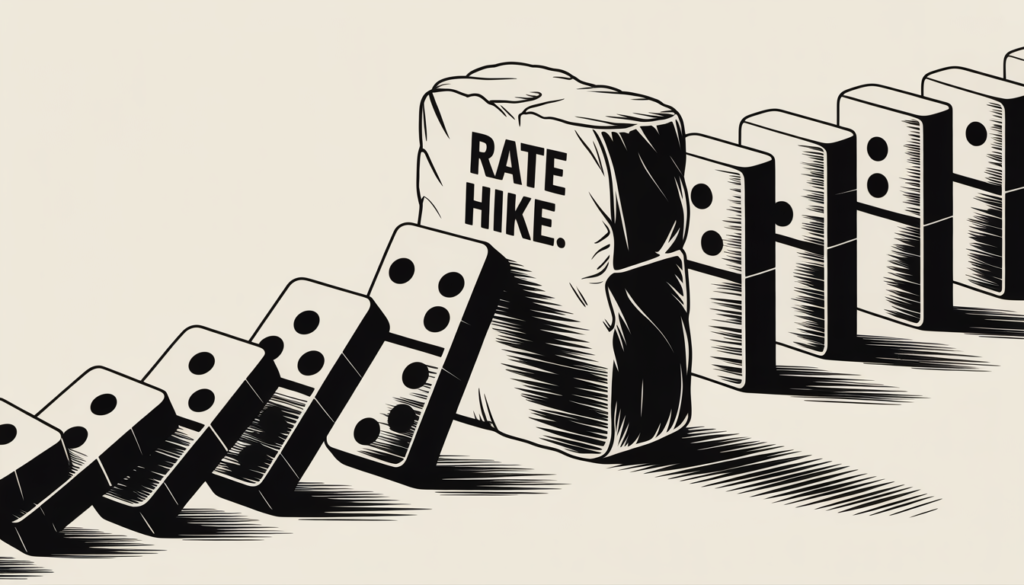
As a Senior Financial Navigator and Macro-Economic Analyst, I map practical choices for homeowners who weigh a HELOC against a home equity loan. This guide applies a pilot’s mindset to 2026 market conditions. It emphasizes debt optimization, credit architecture, private lending, and long-term wealth management. Read with your balance sheet open and your flight plan ready.
Navigating HELOC and Home Equity Loan Basics
Overview
A Home Equity Line of Credit, HELOC, functions like a credit card secured by home equity. Lenders set a credit limit and let borrowers draw funds over a draw period. HELOCs typically use variable rates tied to a benchmark, such as Prime plus a margin. In 2026, borrowers must expect variability across issuers and markets.
A home equity loan, sometimes fixed-rate second mortgage, gives borrowers a lump sum repayable over a set term. Lenders price these loans according to credit, loan-to-value, and market yields. Many buyers choose these loans to lock predictable payment schedules against rising rates. 6.37% remains the average mortgage comparison figure for reference.
Deciding between them requires a clear use case. Choose a HELOC when you need flexible access and can tolerate payment swings. Choose a home equity loan when you need cost certainty and plan a closed-ended project. Apply Pilot’s Rules: define purpose, cap exposure, and set contingency paydown plans.
Application
HELOCs serve renovations, staged investments, or seasonal cash needs. You may draw small sums as needs arise. You will face variable payments and possible rate resets. Active borrowers should monitor index movements and lender margin adjustments monthly. Plan for a potential principal balloon at the end of the draw term, if the lender amortizes later.
Home equity loans serve debt consolidation, major one-time expenses, or fixed-rate arbitrage strategies. You will enjoy stable monthly obligations that simplify cash flow forecasting. These loans can pair with refinancing strategies in the first lien when you rebalance mortgage structure. Use credit architecture to limit overlapping maturities and keep senior-secured positions clear.
Make calculations conservative. Stress test scenarios with a +200 basis point shock to interest cost. Model amortizations across the loan term and include early repayment penalties where present. Apply the named model below to quantify tradeoffs.
Comparing Variable Rates, Risks, and Flight Plan
Rate Mechanics and Benchmarks
HELOCs usually reference a short-term benchmark such as the Prime rate, often with a margin between 0.5% and 3.0%. Lenders adjust the margin by credit score, LTV, and debt-to-income. In 2026, many HELOC offers use a floor to protect lenders. Borrowers must read the margin, floor, and reset frequency on approval.
Home equity loans more often carry fixed rates based on longer-term yields. Lenders price against swaps or Treasury curves plus credit spread. Expect fixed second-lien rates to sit above first-mortgage pricing. Use Pilot’s Rules: always compare APRs, not only nominal rates, to capture fees and amortization differences.
Rate movement creates different operational risks. Variable-rate HELOCs expose cash flow to upward shocks. Fixed loans expose net present value to higher initial rate price but protect monthly cash needs. Forecast using a term-structure approach, then apply liquidity buffers.
Risk Profile and Flight Plan
A HELOC creates revolving exposure, which can tempt overuse. Missing rate hikes can strain household budgets and credit scores. Lenders may freeze limits in stressed markets, adding liquidity risk. You must maintain emergency liquidity outside the HELOC when you depend on it for cash flow.
A home equity loan locks repayments, reducing refinancing triggers and preserving credit capacity. However, a fixed structure prevents benefiting from rate drops. Use this when you value predictability over potential savings from lower rates. For many owners, that choice preserves cashflow for wealth accumulation.
Construct a flight plan. Set usage rules, repayment terraces, and stop-loss triggers. Reassess at six-month intervals. Execute a course correction if rates move beyond modeled thresholds. Record decisions and trigger points in a written plan.
Credit Architecture and Leverage Management
Designing Credit Stacks
Treat your mortgage and equity products as a credit stack. Position the primary mortgage, then secondary positions, and unsecured lines. Keep covenants simple. Avoid simultaneous maturities that concentrate refinancing risk. Maintain senior-lien clarity to protect loan terms and resale options.
Lenders evaluate combined loan-to-value. High combined LTV raises margins and reduces offers. Manage LTV through conservative valuations and by reducing outstanding principal before drawing substantial HELOC amounts. Track credit utilization to protect scores and margin pricing.
Apply the "EconomyPilot Altitude Risk Model" to measure leverage levels. The model rates exposure across three bands: low, cruise, and turbulent. It maps LTV, DTI, and liquidity to a recommended action set. Use it quarterly to maintain safe altitude.
Active Leverage Management
Use available cash to pay down variable balances when volatility increases. Shift floating exposure to fixed where long-term projects require certainty. Consider laddering HELOC draws and fixed second-lien terms to disperse refinancing events.
Maintain liquidity in unencumbered accounts to avoid forced draws. Set internal thresholds to limit HELOC utilization under economic stress. Consolidate high-interest unsecured debt into a fixed home equity loan only when the fixed rate yields a meaningful saving after fees.
Monitor your credit architecture like an aircraft systems panel. Regularly scan metrics that matter: combined LTV, available liquidity, and monthly gross margin impact. Keep documentation updated to enable fast refinancing if market opportunities emerge.
Debt Optimization Strategies for Owners
Cost Minimization and Timing
Debt optimization begins with clear goals: minimize total interest and preserve optionality. For short-term needs under three years, a HELOC often costs less initially. For multi-year financing, compare total interest over the expected holding period. Include origination fees, appraisal charges, and prepayment penalties in your model.
Time your actions around rate expectations and personal cash flow. If you expect sustained rate declines, a HELOC can let you benefit from lower costs. If you foresee rate increases or require stable payments, choose a fixed home equity loan. Use 6.37% mortgage averages as a benchmark for longer-term pricing discussions.
Tax considerations matter. Interest deductibility rules have tightened. Consult a tax advisor before using home equity products for investment income or consumption. Factor tax impacts into after-tax cost of borrowing to get an accurate optimization metric.
Strategic Repayment and Reuse
Structure repayments to prioritize duration and cost. For variable balances, allocate windfalls to principal to reduce interest exposure. Consider amortization recast strategies that shorten debt life as cash accumulates.
Reuse HELOC capacity strategically. Reserve it for validated returns or emergency liquidity only. Avoid habitual rolling of consumption into revolving secured debt. If you convert a HELOC into a fixed loan for long duration, lock at an appropriate term to align with asset life.
Review your plan quarterly. Use scenario analysis that stresses rates by +200 and +400 basis points. Update your Pilot’s flight plan accordingly. These steps will align debt choices with long-term wealth objectives.
Private Lending and Secondary Markets
Private Lenders and Niche Products
Private lenders expanded product sets as banks tightened underwriting. These lenders offer flexible HELOC alternatives and bespoke second-lien terms. They price risk differently and often accept nonstandard income documentation. Use private lending when speed and flexibility exceed the need for lowest cost.
Private products may carry higher margins but shorter timelines. They can provide bridge capital or allow creative structures for business owners. However, they often include prepayment penalties, strict covenants, and higher default risk premiums. Read covenants carefully and ensure exit routes.
If you tap private lending, preserve transparency in your credit architecture. Keep records, appraisal copies, and clear repayment plans. Communicate contingencies to private partners to avoid surprises.
Secondary Market and Liquidity
Securitization affects pricing and availability for both home equity loans and HELOCs. In 2026, investor appetite varies by tranche and agency guarantees. Fixed second-lien loans find buyers if pools maintain low default rates and simple amortization. HELOC pools often price on expected prepayment and repricing dynamics.
Market shifts can widen spreads quickly. If securitizers reprice risk, retailers pass costs to borrowers. Monitor market signals such as ABS spread movements and repricing indices. Use the EconomyPilot Altitude Risk Model to translate market spread moves into consumer-level rate changes.
Maintain an exit strategy when markets thin. A robust exit route includes cash reserves, prearranged refinancing offers, and access to private lenders if secondary markets seize up. This preserves landing options.
Regulatory Risks
Current Regulatory Landscape
Regulation continues to influence how lenders structure HELOCs and home equity loans. In 2026, regulators emphasize consumer disclosures and underwriting standards. Lenders must provide clearer reset schedules and rate floor visibility. Expect higher compliance costs that can show in final loan pricing.
Consumer protections now include stress-test requirements for variable-rate products. Lenders must demonstrate repayment capacity under rate shocks. This constraint removes marginal approvals and can reduce available credit for higher-risk borrowers. Track rule changes that affect margins and eligibility.
Regulatory shifts can produce quick market reactions. When guidelines tighten, lenders may reduce HELOC offerings or bolster margins. Borrowers must watch for policy proposals that could change underwriting norms within months.
Risk Mitigation and Preparedness
Prepare by documenting affordability and maintaining conservative debt metrics. Keep records of income transformations, side-business revenue, and asset liquidity. Lenders value well-documented income in stressed regulatory environments.
Use diversification to spread regulatory risk. Maintain at least two qualified lenders in your network. Practice mock refinancing exercises to ensure you can execute under tightening conditions. Maintain a written contingency plan that anticipates margin increases and potential limit reductions.
Strengthen communications with advisors and legal counsel. Regulatory guidance can be nuanced, and proactive compliance protects your borrowing capacity. Implement triggers in your financial plan to enact course corrections when regulators tighten or market conditions deteriorate.
2026 Long-Term Projections
Macro Outlook and Rate Expectations
In 2026, central bank policy shows relative stability, but inflation remains a persistent watch item. Mortgage averages sit near 6.37%, which anchors fixed lending costs and influences second-lien pricing. Markets price in gradual normalization, not abrupt moves, but volatility remains possible.
Short-term benchmarks may retrace from recent highs. However, structural deficits and fiscal dynamics keep a premium on long-term yields. Expect spread variability across lenders based on funding models, especially for HELOCs that rely on bank deposit funding. Use Pilot’s Rules to plan for moderate rate drift rather than sudden shocks.
For borrowers, the prudent approach assumes a baseline scenario plus two stress cases. Base case: rates hold within a narrow band. Upside stress: +200 basis points. Downside stress: -100 basis points. Model each case for cash flow impact and refinancing feasibility.
Sectoral and Product Projections
HELOC product volumes will likely tighten for higher-risk cohorts. Lenders will lean toward better-documented incomes and lower combined LTVs. Fee structures may adjust to offset compliance costs. Fixed second-lien products will maintain demand from borrowers who require predictability.
Private lending will expand niche offerings but with higher margins. Secondary markets will remain selective, which affects pricing depth for larger pools. Borrowers with complex credit needs will see fewer low-cost options and higher documentation requirements.
Plan for a 12-month course that emphasizes optionality. Keep liquidity buffers and monitor market spreads. These steps will enable smoother landings if conditions become choppy.
Tactical Implementation and Exit Strategies
Executive Implementation Roadmap
- Assess current combined LTV and obtain up-to-date appraisal or broker valuation.
- Run the EconomyPilot Altitude Risk Model with base and stress scenarios.
- Select product type based on use case and model outputs, then lock pricing if needed.
- Establish contingency liquidity equal to three to six months of living and debt costs.
- Schedule quarterly reviews and set rate or utilization triggers for course corrections.
Use these steps to standardize decisions and retain agility during market moves.
Exit Planning and Refinancing
Establish clear exit triggers before taking new debt. Triggers include rate thresholds, LTV limits, or life events such as relocation. Maintain two parallel exit routes: a market refinance plan and a private funding fallback.
If refinancing becomes necessary, act early to secure term sheets. Appraisals and documentation can take weeks. Execute preapproval steps while market spreads remain reasonable. When you see an opportunity to lock better fixed pricing, weigh the cost of timing against the value of stable cash flows.
Recast strategy as needed. If you convert variable exposure to fixed, balance term length with expected asset life. Short-term fixes can buy time until markets normalize. Keep records to show lenders your disciplined approach.
FAQ
Questions
- How should a homeowner choose between a HELOC and a home equity loan when planning a multi-stage renovation over five years?
- What are the consequences if a lender reduces HELOC limits during an economic downturn?
- How do private lending options compare to bank HELOCs when quick funding is necessary in 2026?
- How should a borrower model the impact of a 200 basis point rate increase on HELOC payments and cash flow?
- How will likely regulatory changes in 2026 affect eligibility for home equity credit among gig economy earners?
Answers
-
For a five-year, multi-stage renovation, use a HELOC if project timing and costs remain uncertain. The line offers intermittent draws and interest-only payments during draw periods. However, model total cost if rates rise by 200 basis points. If you prefer predictable payments, convert drawn amounts into fixed home equity loans as each project phase completes. Maintain a contingency reserve equal to at least 15 percent of the project budget to handle repricing or draw reductions. That hybrid approach balances flexibility and long-term predictability.
-
If a lender reduces HELOC limits in a downturn, immediate liquidity gaps can emerge. You face higher rollover risk and may need to accelerate principal repayment or access alternative credit. Reduced limits may force project delays or emergency asset sales. To mitigate, maintain an independent cash buffer and a pre-screened secondary lender. Document income and assets to expedite refinancing. Also, honor Pilot’s Rules and set internal utilization caps to avoid drawing to the maximum pre-shock.
-
Private lending provides speed and flexibility compared with bank HELOCs. Private lenders underwrite differently, often accepting alternative documentation and higher LTVs. Expect higher margins and shorter terms. Use private options for bridge finance or unique structures that banks decline. Always map exit routes, as private debt demands clear repayment plans. Compare total cost after fees and covenant obligations. If speed and flexibility justify higher cost, private lending can fill gaps, but avoid using it for long-term financing unless you plan refinancing.
-
Model a 200 basis point increase by recalculating monthly payments under the new rate and projecting it against net cash flow. For a HELOC interest-only balance, multiply the balance by the new rate to estimate monthly interest, then add a buffer for principal payments. Stress test household cash flow with a 6 to 12 month horizon to ensure capacity. Factor in potential lender actions such as limit freezes. Use sensitivity tables to show frequency of covenant breach at different utilization levels and update contingency plans.
-
Regulatory trends in 2026 emphasize documented repayment capacity. Gig economy earners will see stricter income verification. Lenders will require multi-year tax records or stable deposit histories. Some lenders will accept bank statements averaged over 12 months, but margin and eligibility may worsen. Gig workers can improve prospects by formalizing income recognition, maintaining low DTI, and building reserves to cover potential HELOC volatility. Engage a tax advisor to prepare consistent, lender-friendly income evidence.
Conclusion: HELOC vs. Home Equity Loan: A Pilot’s Guide to Variable-Rate Turbulence in 2026
Summary and Strategic Takeaways
This guide frames HELOC and home equity loans as tools in a strategic debt architecture. HELOCs offer flexibility but increase exposure to variable-rate turbulence. Home equity loans offer predictability and protect cash flow. Use the EconomyPilot Altitude Risk Model to quantify exposure and decide based on purpose, term, and liquidity. Apply Pilot’s Rules: define intent, stress-test with +200 basis points, and maintain contingency liquidity.
Also, prioritize documentation and multiple credit relationships. Regulators and secondary markets shape availability. Private lenders fill niches but at higher cost. Execute the Executive Implementation Roadmap to operationalize decisions and keep quarterly reviews.
Sector Outlook for the Next 12 Months
Expect moderate rate drift with periodic volatility. Fixed second-lien pricing will remain firm with selective liquidity. HELOC supply will tighten for higher-risk cohorts while private lending expands in niche markets. Loan spreads may widen if secondary market sentiment deteriorates.
Borrowers who maintain low combined LTV, strong documentation, and disciplined usage will find the best opportunities. Monitor spreads, lock when terms meet your flight plan, and prepare exit routes in advance.
Executive Implementation Roadmap
- Assess combined LTV and obtain current valuations.
- Run the EconomyPilot Altitude Risk Model with stress scenarios.
- Choose product and lock pricing if it meets model thresholds.
- Maintain three to six months of contingency liquidity.
- Review plan quarterly and set concrete rate and utilization triggers.
Meta description: HELOC vs. home equity loan guide for 2026, comparing variable-rate risks, regulatory outlook, and tactical debt strategies for homeowners.
SEO tags: HELOC, home equity loan, variable rates, debt optimization, 2026 mortgage trends, private lending, credit architecture
Primary Keyword: HELOC vs. Home Equity Loan